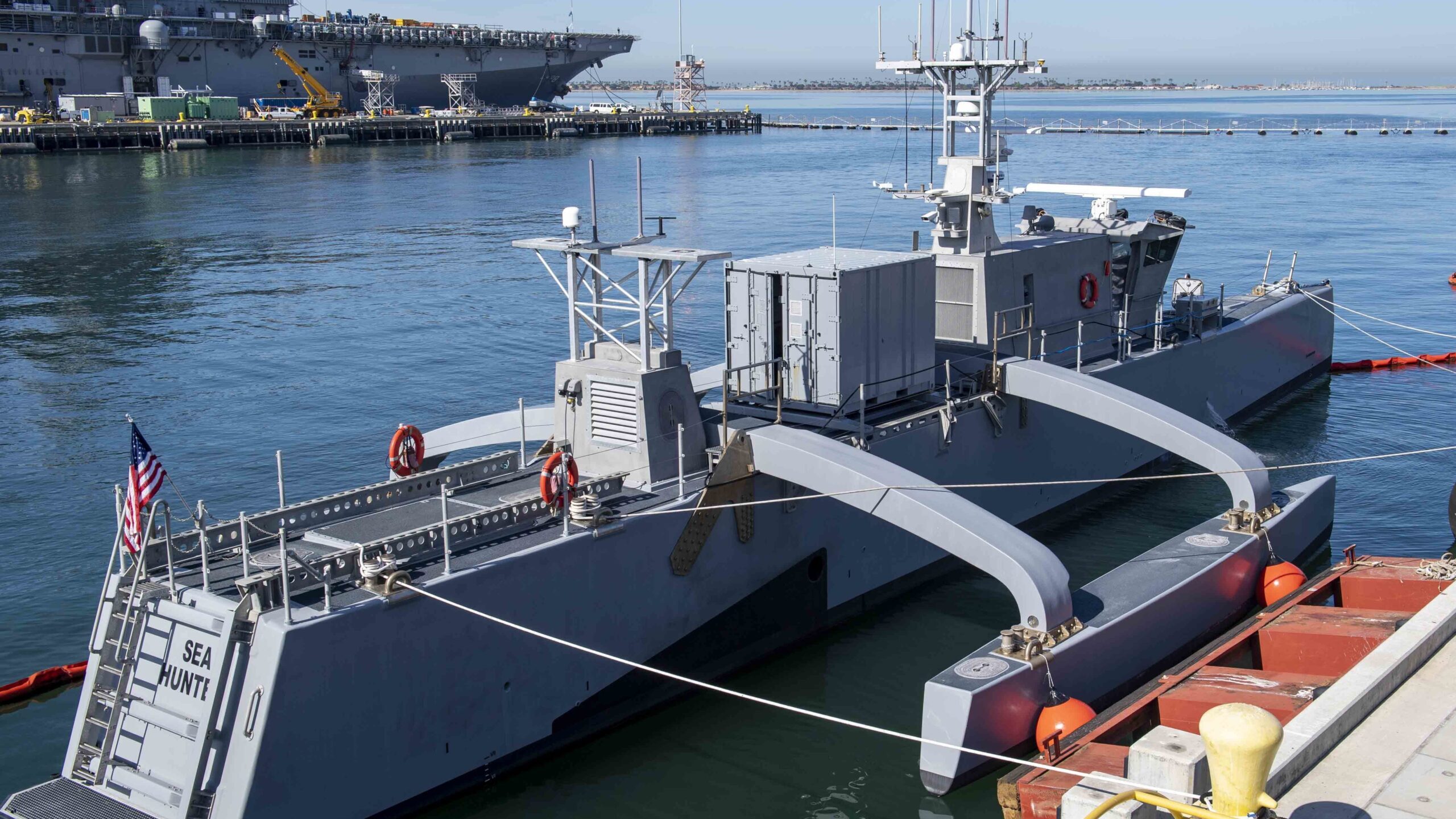
Navy to purchase 30 MUSVs following at-sea testing
The contracts come as the Navy expands its marketplace for unmanned systems and moves into the second phase of the MUSV program.
The contracts come as the Navy expands its marketplace for unmanned systems and moves into the second phase of the MUSV program.
A service official revealed the change to Breaking Defense, pushing back previous plans to mothball the ship this May.

As threats continue to evolve, speed will increasingly depend on what is already available when the need emerges.

Companies vowed to increase capital expenditures in 2026, with some also signaling plans to stop stock buybacks this year.
Since 2001, the UK Ministry of Defence has procured REMUS 100, REMUS 300 and REMUS 600 vehicles for mine countermeasure missions.
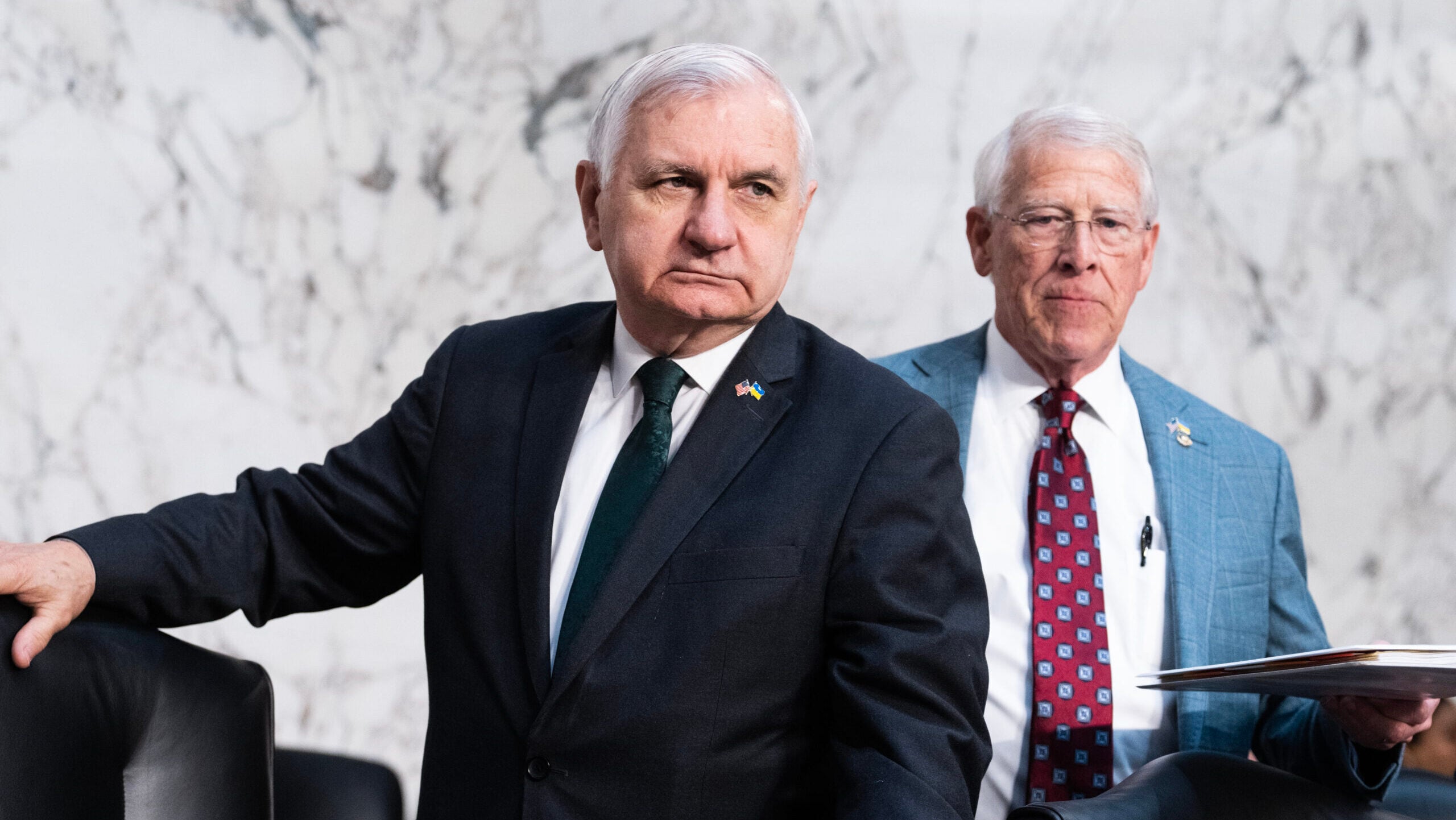
The top SASC Democrat stopped short of supporting Trump's executive order, as a few defense firms said they're on board, at least publicly.
“Recent operations from the Red Sea to the Caribbean make the requirement undeniable,” Chief of Naval Operations Adm. Daryl Caudle said.

Expanding manufacturing capacity is critical to producing missiles, radars, and launch systems.
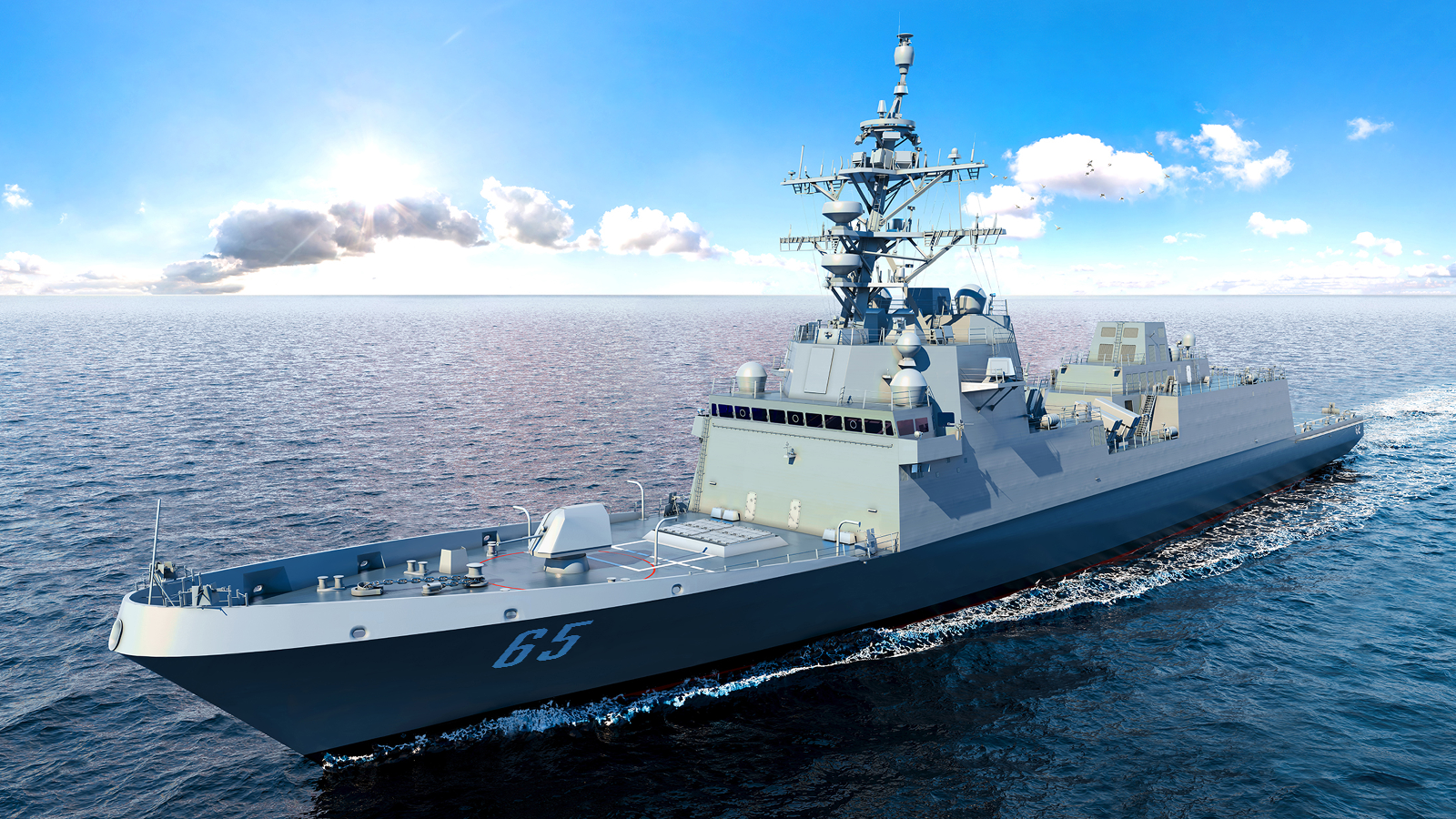
Navy Secretary John Phelan recently told attendees at a private dinner that the new frigate would be a modified National Security Cutter, sources told Breaking Defense.
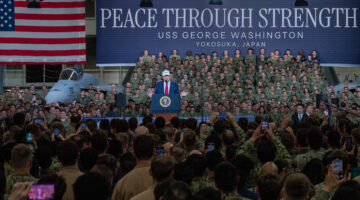
“The interesting part of this is it’s not just a kind of fleeting presidential idea, but this is, in fact, something that does kind of resonate with what the Navy's finding it probably needs to do with the fleet through its own work,” one analyst said.
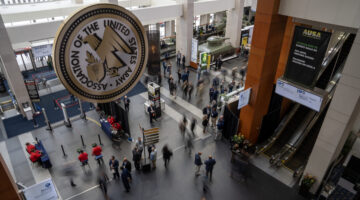
"The DoW [Department of War] wants to go fast,” said L3Harris CEO Chris Kubasik. “Then Congress can't fund the DoW. So we're kind of stuck between those two situations.”
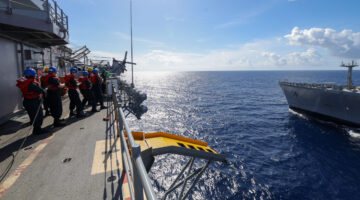
“This marks the beginning of deeper collaboration between not only our companies, but each of our countries, that will support enduring changes to military and commercial shipbuilding in America,” HII executive Eric Chewning said in the announcement.

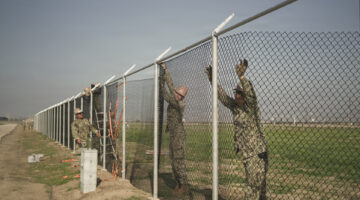
Traditional thinking about how to protect facilities must adapt to new threats such as drones or downstream attacks.

"We have got to reflect prices that can allow us to have the labor pool that we need for the long term,” said the Navy official.

The new partnership focuses on HII’s Odyssey software suite and Shield AI’s Hivemind mission autonomy software.
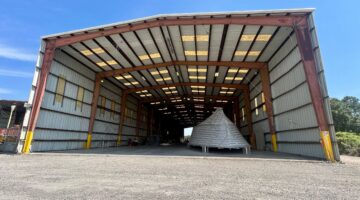
The first Romulus is expected to be completed in about 12 months and once production is up and running, the company expects to build up to six vessels concurrently and deliver four or five per year.
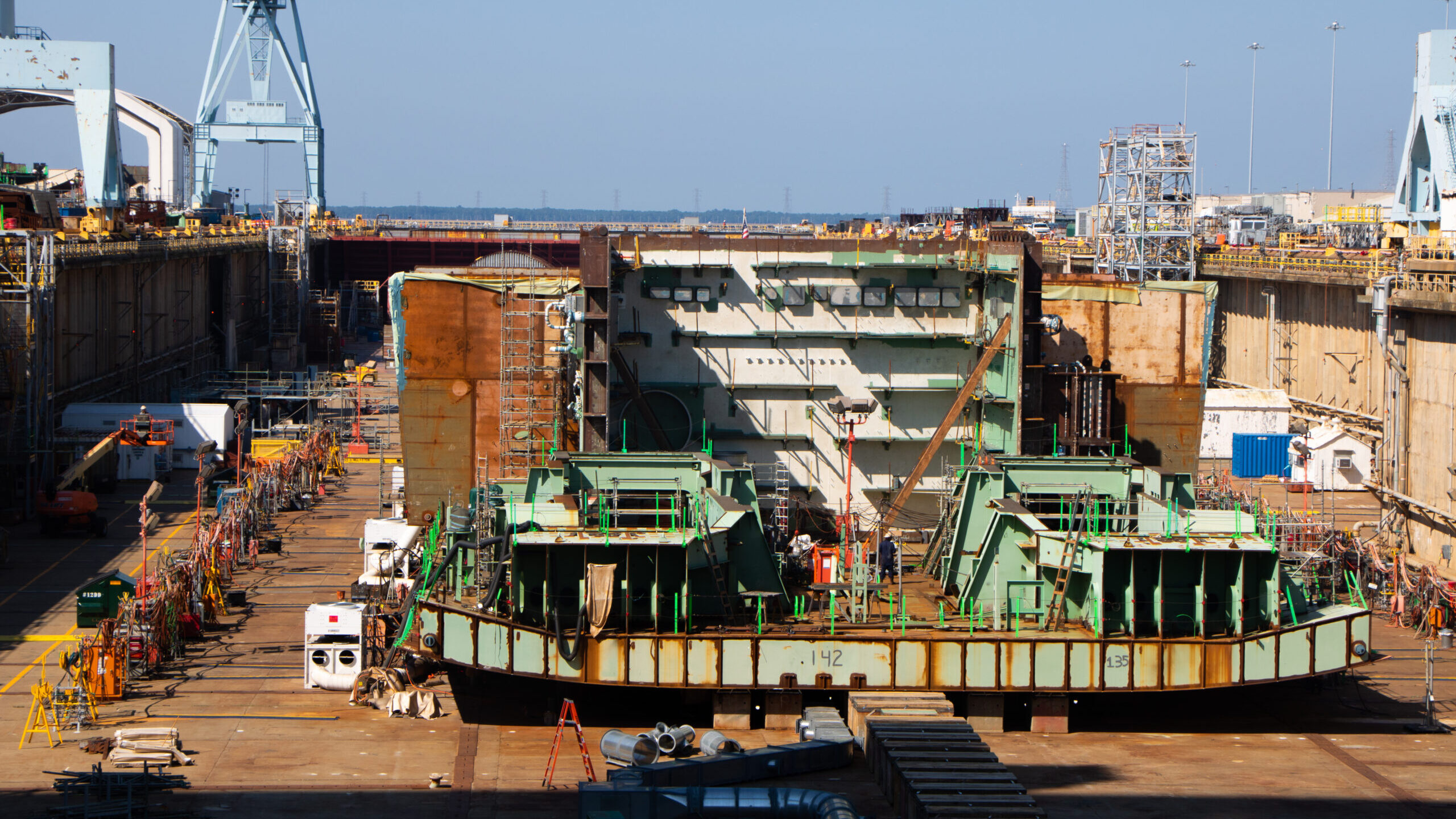
“What AI allows you to do is optimize for how the work flows through the machine shops, based on prioritization of output and how the different inputs are adjusting,” said Eric Chewning, an HII executive.